



Essential Oil
Jiangxi Senhai Natural Plant Oil Co. Ltd is a professional manufacturer specializing in R & D, production, and marketing of natural essential oils, and plant oils in the initial-aromatic city, of ji'an (jiangxi province) China for 14 years. Our natural oil products are widely used in food, cosmetic, chemical, pharmaceutical, agriculture, and daily care industries.
Why Choose Us?
Production Capacity
Factory covers around 18000 m2 with 4 production lines, production capacity is around 40 tons and38000pcs/day for small bottle essential oil.
Production Equipment
We are a complete set of advanced equipment and a QC laboratory, including gas chromatography, polarimeter, sealing tester and other developed testing instruments.
Production Market
Our natural oil products are exported worldwide to the US, UK, Germany, India, Pakistan, Japan, Korea, Egypt, etc.
Professional Service
From product design to packaging, we provide OEM service, which can meet the needs of many customers. Free sampling is supported, you only need to pay for the shipping cost.


Introduction to Essential Oil
An essential oil is defined as a volatile part of a natural product, which can be obtained by distillation, steam distillation or expression in the case of citrus fruits. It contains mostly volatile hydrocarbons. Essential oils are derived from various sections of plants. The oil is "essential" in the sense that it carries a distinctive scent, or essence of the plant.
Benefits of Essential Oil
Stress and Anxiety Reduction
Aromatherapy may help with stress relief and anxiety. Essential oil may help lower levels of the stress hormone cortisol, improving fatigue and negative emotions in participants.
Improves Sleep Quality
Aromatherapy may promote relaxation by activating the brain chemicals that control sleep.
Prevents Bacterial Infections
Many essential oils contain antimicrobial, anti-inflammatory, and antioxidant properties. They also treat ear infections, Staphylococcus aureus, and other broad-spectrum bacterial infections.
Headache and Migraine Relief
Inhaling or applying certain essential oils to the temples and forehead may be a supplementary treatment for people with headaches. The participants who used lavender, peppermint, and chamomile essential oils reported decreased pain and severity for certain types of tension headaches.
Reduces Inflammation
Certain essential oils may relieve inflammation-related symptoms like pain, swelling, warmth, and function loss.
Relieves Nausea
Inhaling or topically applying essential oil may reduce nausea and other symptoms like vomiting and retching.
A typical essential oil contains several hundred individual chemicals, with the great majority at levels of less than 1%.
The chemical compounds in an essential oil typically have hydrogen, carbon and oxygen as their building blocks and can be divided into two main categories:-
Hydrocarbons
These contain only carbon and hydrogen. This group is made up almost exclusively of terpenes – monoterpenes and sesquiterpenes.
From hydrocarbons a plant can make the second main group – oxygenated compounds.
Oxygenated compounds
A plant makes oxygenated compounds from hydrocarbons - mainly esters, aldehydes, ketones, alcohols, phenols, and oxides.
Some oils such as Pine are dominated by hydrocarbons whereas others such as Clove comprise mainly of oxygenated compounds. It is the oxygenated constituents that typically determine the oil’s aroma and taste. They also give them some solubility in water and considerable solubility in alcohol.
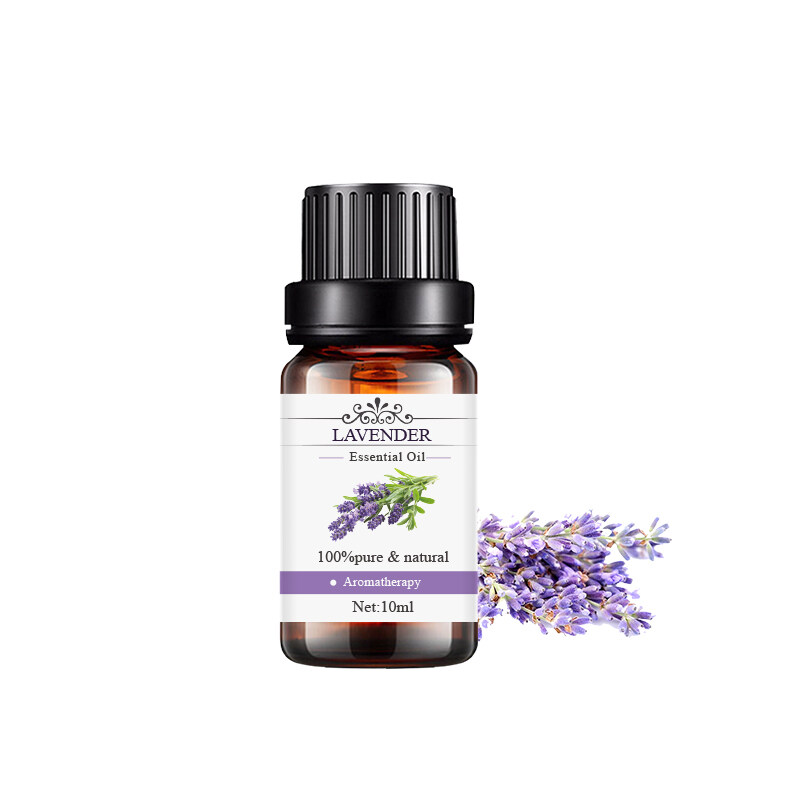
What Are the Methods for Extracting Essential Oil?
Distillation methods
Hydrodistillation is an essential oil extraction method in which the material is immersed in water, but in the steam distillation, the plant material is not in direct contact with water but will go through, for example, steam flow before entering the cooler.
Microwave-assisted essential oil extraction
Microwave-assisted essential oil extraction is a variant of the distillation method where the heating source has been changed from the normal electric heating cap by the microwave. The principle of this method is based on the change of the polarity of water by the waves and of course the heating that will play the same role as in classic distillation method.
Enfleurage
Enfleurage is an old technique of essential aroma extraction. It is based on the solubilization of the essential oil's component on a greasy wax. The product obtained after this process is at most a part of the essential oil as present in plant, and it contains many other terpenes that can be solubilized in fats used; that is, while at the end, the product is not called essential oil but absolute.
Solvent extraction
This method does not really lead to obtaining the essential oil as all the nonvolatile compounds are also extracted by this approach. Therefore, the chemical profile will not be that of the volatile fraction of the plants but for the compound that is soluble in the solvent used in the process.
Supercritical fluid extraction
This method is based on the fact that gas at the supercritical state can enter throughout the plant material like a gas and dissolve component like a liquid. After the extraction procedure, the essential oils compounds are mixed with the supercritical fluid (in liquid form). The separation is performed by reducing temperature and increasing the pressure up to room conditions. The principal limit of this method is the complexity of the system.
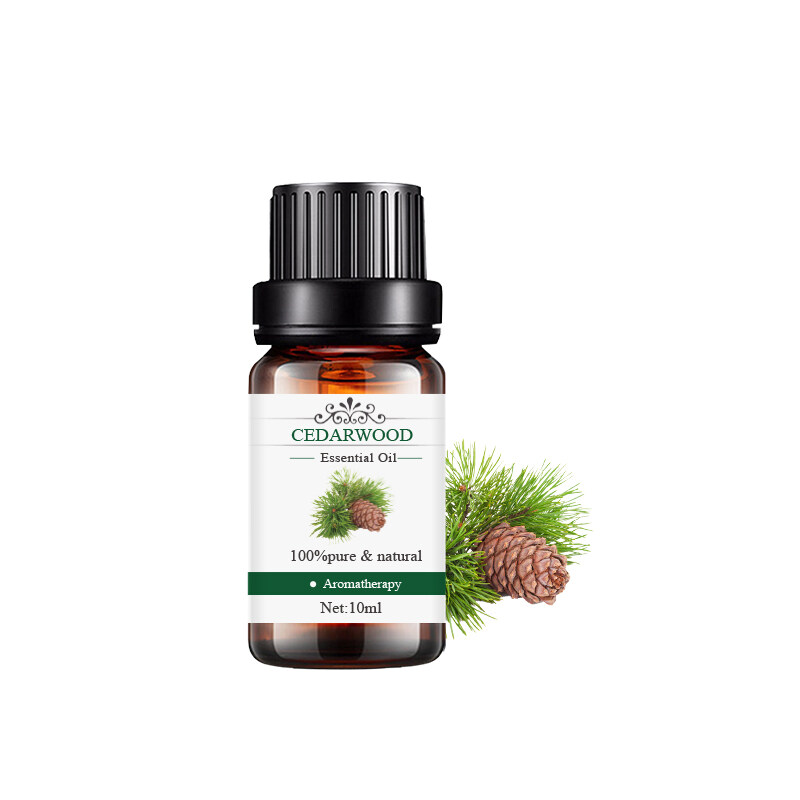
There are many beneficial areas of your body where you can apply essential oils. You can gently rub oil into places such as your neck, forehead, temples, wrists, chest and stomach. This also includes extremities like your arms, legs and the bottoms of your feet. In fact, the bottoms of your feet are one of the safest places to apply essential oils topically.
There are a few areas where you shouldn't put essential oils on your body. You'll want to avoid your eyes, ears, nose and the skin around them or places where the skin is sensitive.
The Safest Way to Use Essential Oil
Aromatherapy accessories
Necklaces, bracelets and keychains made with absorbent materials you apply essential oils to and sniff throughout the day.
Body oil
A mixture of essential oils with a carrier oil such as olive, jojoba or coconut oil that can be massaged into skin. Because essential oils are concentrated, they can cause irritation. Avoid using them full-strength on skin.
Aroma stick
Also called an essential oil inhaler, these portable plastic sticks have an absorbent wick that soaks up essential oil. They come with a cover to keep the scent under wraps until you're ready.
FAQ
We're well-known as one of the leading essential oil suppliers in China. If you're going to buy high quality essential oil, welcome to get free sample from our factory. Good service and competitive price are available.
100 Pure Lemongrass Oil for Aromatherapy Massage, Sweet Orange Essential Oils for Cleaning